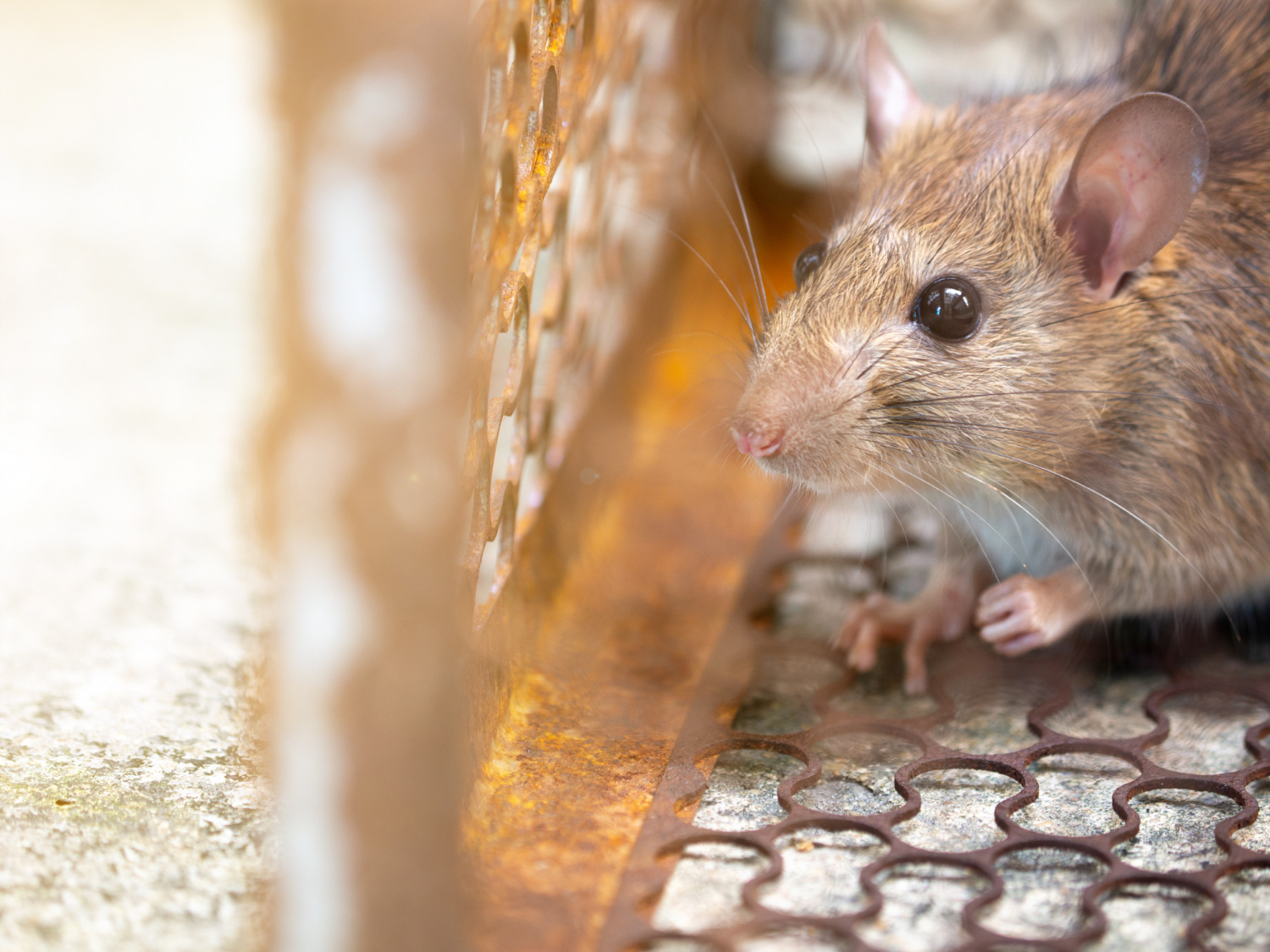
Commercial rodent management in Australia is changing.
For many years, rodent control in commercial facilities followed a fairly predictable model: bait stations were installed around a site, technicians attended on a scheduled basis, bait was checked and replaced, and the program continued unless there was an obvious problem.
Today, facility managers are increasingly looking for something more sophisticated.
Changes to rodenticide use, greater environmental scrutiny, advances in digital monitoring and growing expectations around reporting and accountability are pushing commercial rodent management towards a more targeted, evidence-based approach.
For businesses managing complex facilities or multiple sites, that shift can provide better visibility of rodent activity while also reducing unnecessary reliance on rodenticides.
A more targeted approach to rodenticide use
Environmental concerns surrounding rodenticides, particularly second-generation anticoagulant rodenticides (SGARs), are also influencing the way commercial rodent programs are designed.
The potential impact of these products on non-target wildlife has placed greater focus on responsible use and ensuring treatment decisions are appropriate to the level of pest activity identified.
This doesn’t mean rodenticides no longer have a role.
It means commercial pest management is increasingly moving away from a blanket or “set-and-forget” approach towards monitoring first, identifying the risk and applying treatment where it is genuinely required.
For facility managers, that also means understanding what products are being used across their sites, why they are being used and what evidence supports those treatment decisions.
Digital rodent monitoring is changing what we can see
One of the biggest developments in commercial rodent management has been the growth of digital monitoring technology.
Traditional pest inspections provide a snapshot of what is happening at a facility at the time of the technician’s visit.
Connected monitoring devices can provide much greater visibility between scheduled services.
Depending on the system being used, activity can be detected and recorded as it happens, allowing technicians and facility teams to identify patterns, investigate hotspots and respond to emerging issues.
For larger organisations, digital monitoring can become particularly useful when information is consolidated across multiple sites.
Rather than relying solely on individual service reports, facility managers can gain a broader view of pest activity across a property portfolio and identify recurring issues or locations requiring additional attention.
Reporting is becoming just as important as treatment
For sophisticated commercial pest programs, completing the service is only one part of the job.
Facility managers increasingly need to understand:
- what pest activity has been identified
- where and when it occurred
- what treatment or corrective action was undertaken
- what conditions may be contributing to the problem
- whether those conditions have been resolved
- how activity is trending over time.
Good pest-management reporting should therefore provide more than confirmation that a technician attended the site.
It should help facility teams make decisions.
This becomes especially important for organisations managing large portfolios, where consistent reporting and documentation can provide oversight across dozens or even hundreds of individual locations.
Managing rodents across multiple sites
Multi-site pest management presents a different challenge from managing a single building.
A rodent issue at one facility may be caused by a localised structural problem, while repeated activity across several locations could indicate a broader operational issue.
Having consistent monitoring, reporting and service standards across a portfolio makes those patterns easier to identify.
Technology can also allow facility managers to compare sites, review trends and maintain centralised records rather than relying on disconnected reports from individual locations.
The result is a shift from simply asking “Was this site serviced?” to asking “What is happening across our portfolio, why is it happening and what are we doing about it?”
Compliance requirements aren’t identical across Australia
Another challenge for national organisations is that expectations surrounding pest management and rodenticide use can differ between jurisdictions.
In NSW, for example, changes to licensing and compliance requirements have increased the emphasis on documentation and accountability within professional pest management.
Other states and territories operate within different regulatory and environmental frameworks, while particular industries and individual facilities may have additional requirements of their own.
For organisations operating nationally, this makes it important to work with pest-management providers capable of understanding both the regulatory environment and the specific risks associated with each facility.
What should facility managers expect from a commercial rodent program?
A modern rodent-management program should go beyond simply maintaining bait stations.
Facility managers should expect their pest-management provider to understand the site, identify contributing conditions, monitor activity, recommend preventative actions, document treatment decisions and demonstrate how the program is performing over time.
Technology can strengthen that process, but it doesn’t replace good pest management.
The most effective programs combine experienced technicians, appropriate treatment, building and hygiene recommendations, monitoring technology where it adds value, and clear reporting.
Ultimately, the objective isn’t to use more treatment.
It’s to have better information, make better decisions and intervene where it is actually required.
About Phil Taylor
Phil Taylor is CEO and Co-Founder of Pest2Kill, one of Australia’s largest independently owned pest management companies. Phil works closely with Pest2Kill’s commercial and key-account teams and has particular experience in commercial rodent management, Integrated Pest Management, digital monitoring and pest management across complex and multi-site environments.
Phil has recently contributed expert commentary on the changing approach to commercial rodent management to Facility Management Magazine and INCLEAN Magazine, covering topics including rodenticide use, environmental responsibility, digital monitoring, reporting and accountability.
Read Phil’s article in Facility Management Magazine: FM Magazine September 2026 – The Sustainability Edition
Read Phil’s article in INCLEAN Magazine: A Practical Approach to Rodent Management
Get in touch with Pest2Kill today and speak with a trusted local expert about your rodent problem

