








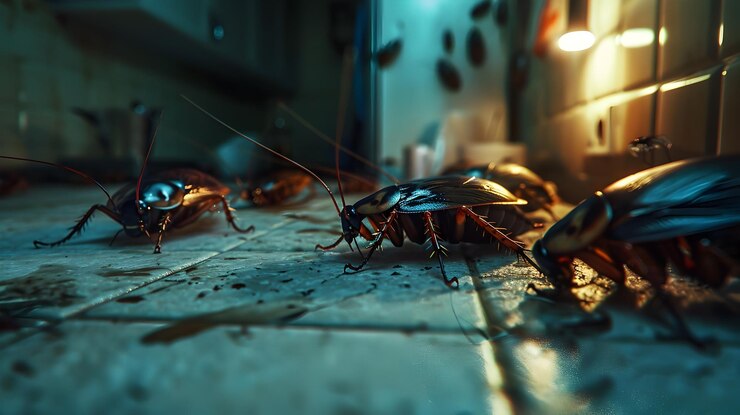
A small cockroach problem rarely stays small. What starts as a few sightings in the kitchen can escalate into a full cockroach infestation within weeks, given how rapidly these insects breed and how little they need to survive. Cockroaches are drawn to warm indoor environments, hidden spaces behind appliances, and any accessible food or moisture, which makes most Australian homes an ideal target.
The risks go beyond the discomfort of seeing one scuttle across the benchtop. Cockroaches carry bacteria, including Salmonella and E. coli; contaminate food preparation surfaces; and can trigger allergic reactions and asthma, particularly in children. Getting rid of them quickly and completely matters, and that’s exactly what the team at Pest2Kill is equipped to do.
What causes a small cockroach infestation in your home?
Cockroaches are attracted to three things above all else: food, water, and warmth. A kitchen with crumbs under the toaster, a dripping tap under the sink, or food scraps left in an uncovered bin is effectively an open invitation. Even pet food left out overnight gives cockroaches a reliable source of food that keeps them coming back night after night.
Clutter provides the cover cockroaches need to establish themselves undetected. Cardboard boxes stacked in a garage, laundry, or spare room are a favourite hiding and breeding spot — cockroaches feed on starchy materials and decaying organic matter, and cardboard provides both. The dark, compressed spaces between stacked boxes also offer exactly the kind of protected environment where egg cases are laid and nymphs develop undisturbed.
Entry points are often overlooked until an infestation is already underway. Cockroaches squeeze through small cracks in walls, gaps around plumbing penetrations, spaces under doors, and vents without screens. Once inside, they spread quickly through wall cavities and subfloor spaces. Access to water sources is another driver — even condensation on pipes or a slow drip under a bathroom vanity is enough to sustain a colony in an otherwise dry environment.
Book a cockroach inspection with Pest2Kill
What types of common cockroach species are found in Australian homes?
Several different cockroach species turn up in Australian homes, and they don’t all behave the same way. Knowing which species you’re dealing with matters because it affects where you look for them, what treatment approach works, and how fast the problem is likely to escalate.
Species | Size | Colour | Preferred habitat | Behaviour |
German cockroach | 12–15mm | Tan/light brown with two dark stripes on thorax | Kitchens, bathrooms, warm appliances | Breeds extremely fast; rarely goes outdoors |
Australian cockroach | 30–35mm | Brown with yellow markings on thorax | Gardens, roof voids, entry from outside | Prefers outdoors; enters homes seeking moisture |
American cockroach | 35–40mm | Reddish-brown | Subfloors, drains, basements | Large and fast; associated with damp spaces |
Oriental cockroach | 20–25mm | Dark brown/black | Cool, damp areas like drains and basements | Slower moving; strong odour |
Brown-banded cockroach | 10–14mm | Light brown with pale bands | Bedrooms, living areas, furniture | Less water-dependent; spreads throughout the home |
The German cockroach is by far the most common cockroach species found indoors across Australia and the most problematic. Its small size allows it to nest deep inside appliances, cupboards, and crevices where sprays and surface treatments rarely reach. German and brown-banded cockroaches are both indoor species that don’t rely on outdoor access — they establish themselves entirely within the home and breed continuously. The Australian cockroach, by contrast, typically lives outdoors and enters homes opportunistically, usually through gaps around windows, doors, or plumbing.
How do you know if you have a cockroach problem?
Cockroaches are nocturnal and spend most of their time hidden, which means by the time you see one during daylight hours, there are almost certainly more you haven’t seen. A single cockroach sighting at night isn’t necessarily cause for alarm — but if you see a cockroach during the day, it usually means the population has grown large enough that competition for hiding space is pushing them out into the open.
Signs to look for in and around your home:
- Cockroach droppings — small, dark, pepper-like specks in cupboards, under appliances, behind fridges, and in corners
- Smear marks — dark, irregular smearing along walls and skirting boards in areas where cockroaches travel regularly
- Egg cases (oothecae) — brown, capsule-shaped cases tucked into crevices, behind shelves, or under appliances
- Skins and empty egg cases — shed skins left behind as nymphs develop through their growth stages
- Musty odour — a distinct smell produced by cockroach secretions that intensifies as populations grow
- Dead cockroaches — finding dead cockroaches in corners or along walls is a sign of ongoing activity nearby.
Cockroach droppings and egg cases in kitchen cupboards, under the sink, and behind the stove are among the most telling signs of an active infestation. Cockroaches in and around areas where food is stored or prepared are a particular concern given the contamination risk. Check the backs of drawers, inside pantry shelves, and the rubber seals around fridges and dishwashers — these are common cockroach hiding spots that often go unnoticed.
Why Small Cockroaches are Harder to Eliminate Than You Think
Small cockroaches — particularly German cockroaches — are notoriously difficult to control with over-the-counter products. Their small size allows them to nest inside appliances, within wall voids, and deep in crevices that sprays simply can’t penetrate. Treating the surfaces you can see does little to address the cockroaches hiding where you can’t.
The breeding cycle is the other major challenge. A single female German cockroach produces an egg case containing 30–40 eggs roughly every four weeks. Those eggs hatch into nymphs that reach reproductive maturity within six to twelve weeks – meaning a small cockroach problem can become a large infestation surprisingly quickly if it isn’t addressed at the source. Cockroach populations can double in size within a matter of weeks under warm indoor conditions.
Cockroaches are also remarkably resilient. They can survive for weeks without food and access to water for only days, and they’ve developed resistance to many common household insecticides over time. This is why DIY treatments with supermarket sprays often produce temporary results at best. Without eliminating the nest, the egg cases, and the nymphs, cockroaches tend to re-emerge within weeks of surface treatment. Difficult to get rid of is an understatement when the conditions inside a home remain favourable.
How Professional Pest Control Gets Rid of Cockroaches Effectively
When you contact Pest2Kill, the process starts with a thorough inspection — not a quick look around and a spray. Our pest control technicians identify the cockroach species present, locate the main harbourage areas, assess the extent of the infestation, and check for the conditions that are sustaining it. That inspection determines what treatment approach will actually work for your specific situation, rather than applying the same product to every job regardless of what’s there.
Our targeted cockroach treatment combines multiple methods to address the infestation at every stage of the lifecycle. Cockroach gel baits are applied directly into crevices, behind appliances, and inside cupboards — exactly where cockroaches feed and nest. Unlike spray treatments that cockroaches may avoid, cockroach baits are taken back to the nest and shared among the colony, including egg-laying females that never leave the harbourage. Insecticide spray is applied to key areas as a residual barrier, and insect growth regulators are used where appropriate to disrupt the breeding cycle and prevent nymphs from reaching reproductive maturity.
Eliminating nests and egg cases is what separates a professional treatment from a surface spray. Our cockroach pest control service focuses on the areas where cockroaches actually live and breed — not just where they’re visible. For German cockroach infestations in particular, this means treating inside appliances, within wall cavities, and any other harbourage identified during the inspection. Long-term pest management strategies are then discussed with you after treatment — including what conditions to address in the home to make a re-infestation less likely. Pest2Kill also offers annual cockroach treatment plans as a preventative measure for clients who want ongoing protection.
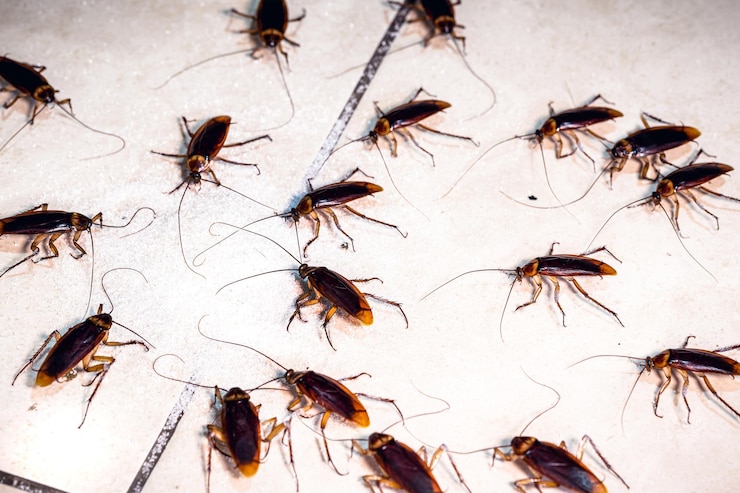
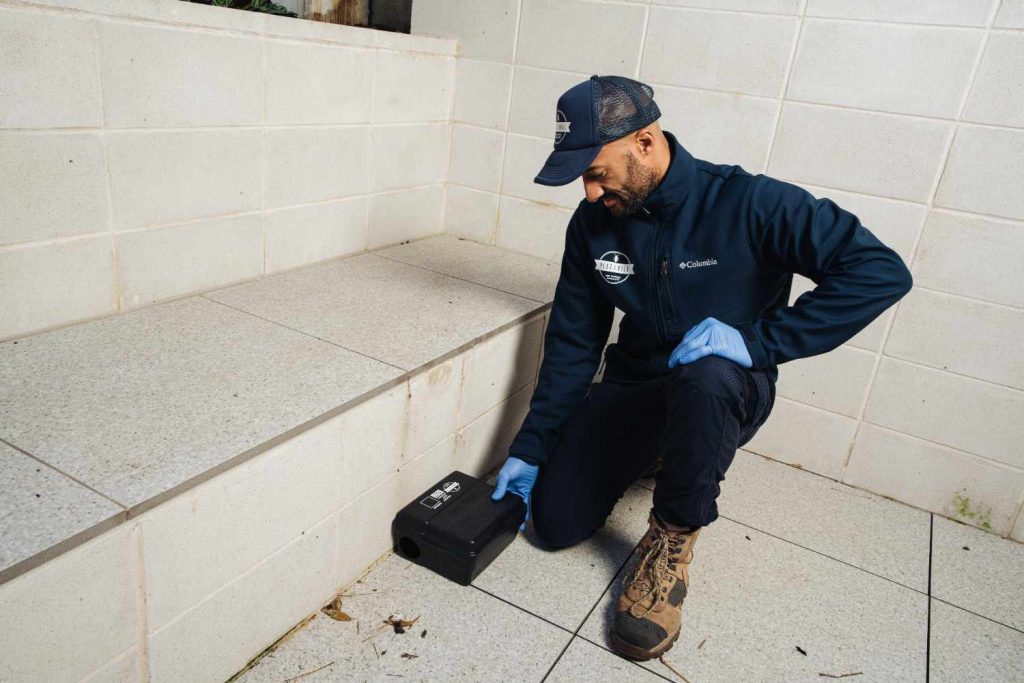
Spotted the signs? Get a pest control near me inspection today.
What Steps Can You Take to Prevent Cockroaches Returning?
Removing food and water access is the most effective thing you can do to make your home less attractive to cockroaches between professional treatments. Store food in sealed containers, clean up spills and crumbs promptly, empty bins regularly, and fix any dripping taps or leaking pipes under sinks. Pet food left out overnight is a reliable cockroach food source – feeding pets during the day and removing bowls in the evening removes one less incentive for cockroaches to stay.
Sealing entry points and maintaining good cleaning habits provide the long-term defence. Fill small cracks around skirting boards, seal gaps around plumbing penetrations, and fit door sweeps to external doors that have gaps at the base. Keeping your home clean and free of clutter — particularly cardboard boxes stored in warm, dark areas — removes the conditions cockroaches need to establish themselves. Regularly cleaning behind and under appliances in the kitchen eliminates the grease and food debris that accumulates in the areas where cockroaches tend to gather most. These measures to stop re-infestation work best when combined with professional treatment, not as a substitute for it.
Get Rid of Small Cockroach Infestation With Expert Help Today
Cockroaches are one of the most common household pests in Australia — and one of the hardest to eliminate without professional help. Pest2Kill’s pest control Sydney specialists have treated thousands of residential and commercial properties across Sydney, with the products, training, and experience to solve your cockroach problem at the source rather than the surface. Our fast response times mean you’re not waiting weeks for an appointment while the infestation grows.
Long-term cockroach prevention comes from combining effective treatment with the right follow-up strategy. Whether you need a one-off treatment, an annual maintenance plan, or pest control services in North Sydney for a specific area, our team will give you a clear, honest recommendation based on what’s actually in your home. Getting rid of cockroaches for good starts with a single call.
Book your cockroach treatment with Pest2Kill now
FAQS
What is the fastest way to get rid of small cockroaches?
Professional treatment using cockroach gel baits and targeted insecticide spray is the fastest and most effective approach. Over-the-counter products treat visible cockroaches but rarely reach the nest; a licensed cockroach pest control service addresses the infestation at its source.
Are German cockroaches dangerous in the home?
Yes, German cockroaches carry bacteria, including Salmonella, and can contaminate food preparation surfaces, utensils, and stored food. They also produce allergens that can trigger asthma and respiratory issues, particularly around children and pets.
Why do cockroaches appear in the kitchen?
The kitchen provides everything cockroaches need — food and water sources, warmth from appliances, and dark harbourage areas behind and under equipment. It’s the most common room in the home to find cockroach activity, particularly German cockroach infestations.
How do cockroaches get access to water sources?
Cockroaches access water through dripping taps, leaking pipes, condensation on plumbing, wet sponges, and even pet water bowls left out overnight. Eliminating these sources makes your home significantly less hospitable to cockroach populations.
What attracts cockroaches into a house?
Cockroaches are attracted to warmth, moisture, food debris, and sheltered hiding spaces. Cardboard boxes, cluttered storage areas, unsecured food, and plumbing leaks all create conditions that invite and sustain a cockroach infestation.
Can I get rid of cockroaches without pest control?
For minor cockroach problems, improved sanitation and sealing entry points can help. But German cockroach infestations in particular are notoriously difficult to eliminate without professional treatment — their nesting behaviour and fast breeding cycle make DIY approaches largely ineffective.
How long does cockroach treatment take?
A standard residential cockroach treatment typically takes one to two hours depending on the size of the property and the extent of the infestation. Our pest control technicians will give you a clear timeframe when booking.
What is the difference between the Australian cockroach and the German cockroach?
The Australian cockroach is larger (around 30–35 mm), primarily an outdoor species, and typically enters homes from gardens or roof voids. The German cockroach is smaller (12–15 mm), lives entirely indoors, breeds much faster, and is significantly harder to eliminate. You can also identify a German cockroach by the two dark markings on the thorax behind its head.
Do cockroaches eat cardboard boxes and waste?
Yes, cockroaches eat a wide range of materials, including cardboard, glue, decaying organic matter, and food waste. Cardboard boxes are a particularly attractive harbourage because cockroaches both feed on starchy materials in the cardboard and use the compressed spaces for nesting.

